10
Nov
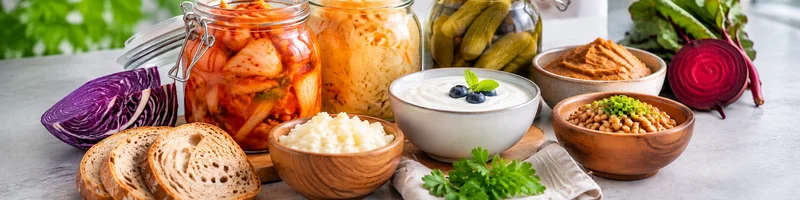
In 36 healthy adults, a ten-week diet high in fermented foods raised gut microbiome diversity and lowered 19 inflammatory proteins, while a high-fibre diet did not raise diversity. Here is what the Cell 2021 trial...
Read More
In 36 healthy adults, a ten-week diet high in fermented foods raised gut microbiome diversity and lowered 19 inflammatory proteins, while a high-fibre diet did not raise diversity. Here is what the Cell 2021 trial...
Read More
VITAL gave 2,000 IU of vitamin D3 a day to 25,871 US adults and found no reduction in invasive cancer or major cardiovascular events. Here is what the main and ancillary results show, and what...
Read More
Canned foods keep most minerals, protein and fibre, but lose some vitamin C and B vitamins. The real watch-points are added salt and sugar and BPA in can linings, where EU, Northern Ireland and GB...
Read More
Lopresti 2019 tested 240 mg of Shoden root extract for 60 days. It cut cortisol and anxiety scores more than placebo, but not the DASS-21 stress score. What the trial shows, what it doesn't, and...
Read More
UAE demand for protein, energy, gut-health and hydration drinks rests on thin evidence: one market estimate, a few surveys and a new sugar tax. What is measured, what is estimated, and what it means for...
Read More
Four sugar reduction strategies, graded by the evidence behind them, and the US claim each can support: why polyols, sweeteners, aroma and gradual cuts change the label in different ways....
Read More
Powder carries the full creatine dose and stays stable for years. A gummy has to fit the dose into a wet, acidic gel where creatine turns to creatinine, and in India it must stay within...
Read More
Maltodextrin is GRAS-affirmed in the US and recent studies show no harm at typical intakes, but it raises blood sugar fast and mouse studies flag gut-barrier effects. What the evidence says, and how to swap...
Read More
Natural flavors are defined in US law by where their flavouring constituents come from, not by how they are made. What 21 CFR 101.22 says, how labels work in the US, EU and India, and...
Read More
The 2024 BMJ umbrella review found adverse associations with ultra-processed foods in 32 of 45 pooled analyses, but the evidence is observational and mostly low certainty. What it found, where NOVA falls short, and what...
Read More
Food Research Lab strives for excellence in new Food, Beverage and Nutraceutical Product Research and Development by offering cutting edge scientific analysis and expertise.