European Union (EU) regulatory compliance standards ensure products, services, and processes meet strict safety, quality, and environmental laws, allowing legal sales across all 27 EU member states. This is because the EU has embraced a...
Global compliance benchmarking for UK organizations in 2025 and 2026 focuses on the rapid adoption of Artificial Intelligence (AI), tighter cybersecurity mandates, and maturing ESG (Environmental, Social, and Governance) disclosures. The UK manufacturer companies as...
Cosmeceutical pet nutrition—products combining nutritional benefits with cosmetic enhancements such as improved skin, coat, or oral health—must navigate a complex compliance landscape that merges food, supplement, and cosmetic regulations. This complexity is driven by the...
Toxicology and chemical safety in Indonesia are governed by strict regulations, particularly regarding the registration of hazardous substances (B3) manufactured or imported into the country, regulated by the Ministry of Environment and Forestry. On the...
Compliance requirement mapping is the strategic process of linking external regulations (e.g., GDPR, HIPAA, PCI DSS) and industry standards to internal policies, procedures, and security controls. India is one of the emerging players in the...
Import/export compliance involves adhering to national and international laws governing cross-border trade, primarily requiring an importer exporter code (IEC) in India, proper HSN classification, and accurate documentation. This is the basic framework of import and...
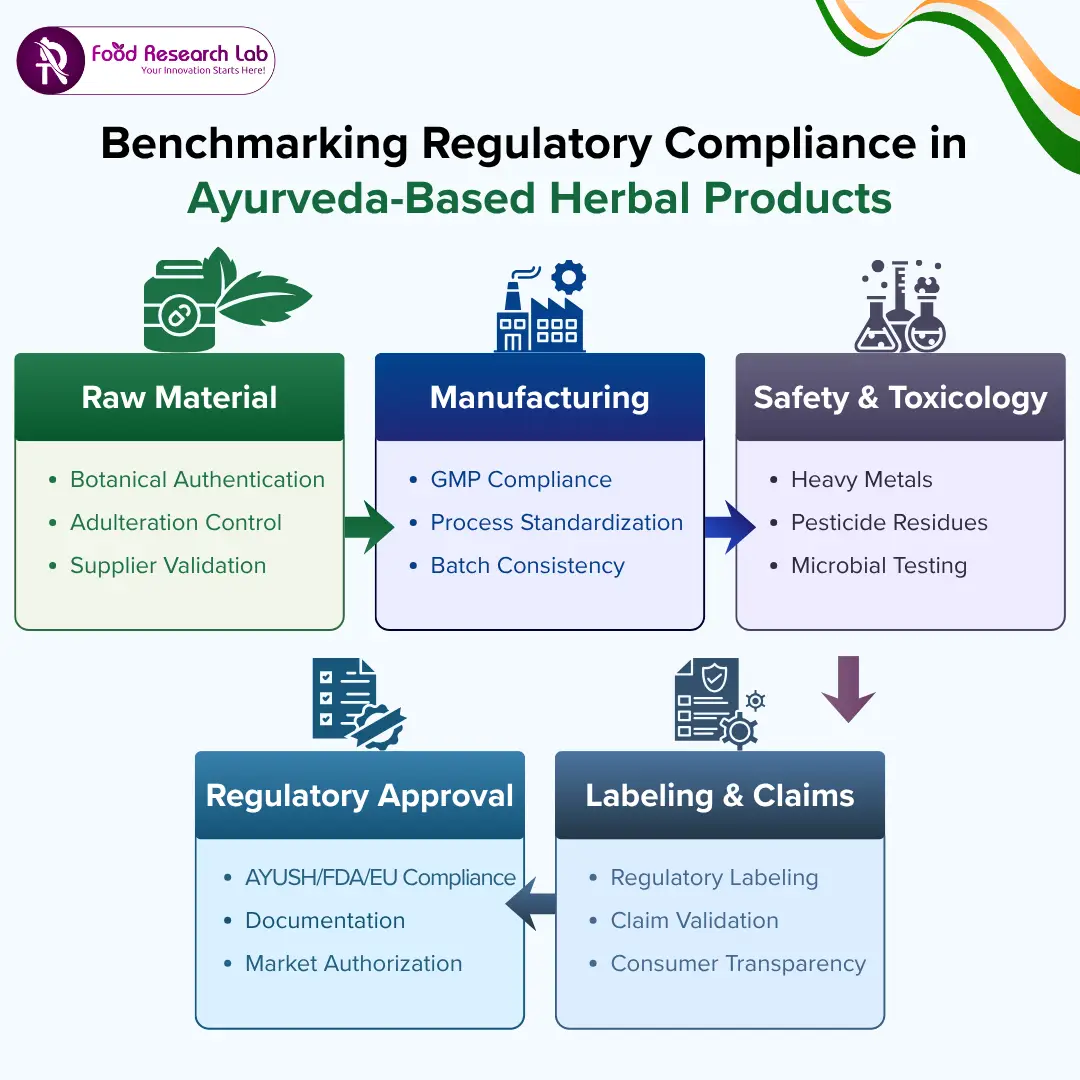
Regulations for Ayurvedic Herbal Products in India govern Ayurvedic herbal products under the Drugs and Cosmetics Act 1940 and Rules 1945. The demand for Ayurveda-based herbal products across the world has seen a surge due...
Safety standards evaluation is a proactive, systematic process used to identify hazards, assess risks, and ensure compliance with regulatory standards. This method may include the implementation of hazard identification and risk analysis (HIRA) and implementation...
Japan packaging regulatory compliance is governed by a rigorous system to ensure product safety, quality and environmental responsibility, while extending from packaging materials and labeling to design, recyclability and disposal. From the food product development...
Singapore has proven to be one of the most organized and globally aligned regulatory destinations in Asia, especially in the food and beverage, nutraceutical, cosmeceutical, herbal, health supplement, and pet food industries. As global regulatory...