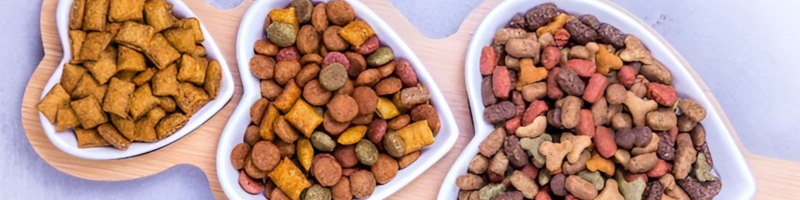
IS 11968:2019 is the Standards specifications for pet food for dogs and cats published by the Bureau of Indian Standards (BIS) is a guiding regulation that is designed to ensure food safety and quality of...
The formulation of pet food ingredients is important to support the health and growth of companion animals and to overall well-being. The Bureau of Indian Standards (BIS) in India has prescribed IS 11968:2019 which is...
The nutraceutical and food industries are undergoing a significant shift in reaction to consumer awareness for clean label products with natural ingredients. Transparency, authenticity, and functional benefits are now foundational expectations, spurring nutraceutical product development...
Nutrition for pet food is essential for optimizing the health and welfare of the pet. The Bureau of Indian Standards (BIS) established IS 11968:2019 as the Indian Standard to define the quality, safety and nutritional...
Nutraceuticals, representing a combination of food and medicine, are an important part of the global health and wellness movement. They are intended to provide more than just basic nutrition; they are intended for benefits such...
Interest in nutraceuticals continues to increase, due to individuals viewing them as having health benefits and/or preventing disease. Nutraceuticals are broadly defined as dietary supplements, functional foods, and medicinal herbs, and are consumed across demographics...
Aromatics has recently established a partnership with peppermint (Mentha × piperita) from the Adopt-an-Herb Program by the American Botanical Council (ABC). This partnership is significant in advancing scientific research on peppermint and the therapeutic uses...
Artificial food colorings are linked to potential health risks, primarily hyperactivity and behavioral changes in sensitive children, as well as allergic reactions. Growing interest in the impact of food colouring health effects and artificial food...
The FSSAI has stringent control on food colors in India, categorizing permitted food colours into natural and synthetic. Each permitted synthetic colour has stringent safe levels not exceeding 100 mg/kg. These FSSAI guidelines for food...
The South African government has updated regulations for plant-based meat alternatives to provide clear and accurate labelling. These products must have a clear description "plant-based", "vegan," or "vegetarian," etc on the packaging, which distinguishes it...