The European Union defines “natural” in pet food through the guidelines set by the European Pet Food Industry Federation (FEDIAF). These standards are important for manufacturers aiming to meet EU regulatory expectations for natural pet...
The method of processing pet food significantly influences its nutritional value, digestibility, and safety. Factors such as temperature, moisture levels, and ingredient type play crucial roles in determining the quality of the final product. Here,...
Meeting the nutritional needs of companion animals requires an understanding of their unique physiology and metabolic capabilities, particularly when considering natural or ancestral diets. These diets aim to align with dogs' and cats' natural nutritional...
Pet food formulations include a variety of carbohydrate and fat sources, each serving distinct purposes for energy, digestion, and nutrient balance. While carbohydrates are not considered essential for dogs and cats, they play a functional...
At Food Research Lab, we follow the recognized feeding trial protocols established by the Association of American Feed Control Officials (AAFCO) to support nutritional adequacy claims for pet food. Feeding trials are regarded as...
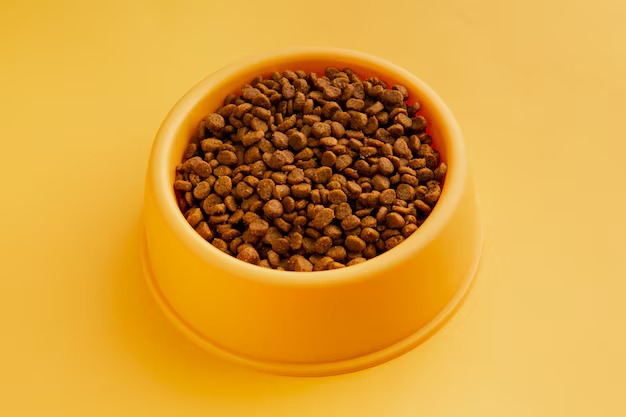
Dry pet food is one of the most popular types in the pet food industry, thanks to its convenience, ease of storage, and long shelf life. This category, often formulated as kibble, is processed in...
Canned pet food, also known as moist or wet food, has historically held a prominent place in the pet food market due to its rich texture and flavor profile. Though its market share has declined...