Gut health functional beverages have progressed from probiotic beverages to much more advanced and science-backed formulations which integrate probiotics, prebiotics, dietary fibers, and increasingly, even postbiotics... By 2026, such beverages will no longer be judged by their use of one “hero” ingredient but rather by their ability to maintain viable microorganisms, good digestibility, sensory attributes, and overall shelf life. With increasing consumer demand for portable, clean-label beverages, manufacturers are increasingly concentrating on beverage systems which deliver benefits while maintaining taste and practicality. [1]
Probiotics, Prebiotics, and Dietary Fibers in Functional Beverage Formulation for Gut Health
Gut health functional beverages have progressed from probiotic beverages to much more advanced and science-backed formulations which integrate probiotics, prebiotics, dietary fibers, and increasingly, even postbiotics… By 2026, such beverages will no longer be judged by their use of one “hero” ingredient but rather by their ability to maintain viable microorganisms, good digestibility, sensory attributes, and overall shelf life. With increasing consumer demand for portable, clean-label beverages, manufacturers are increasingly concentrating on beverage systems which deliver benefits while maintaining taste and practicality. [1]
Why Functional Beverage Innovation Is Shifting Toward Gut Health
The recent scientific advances showing the link between the gut microbiota and immunity, metabolic function, psychological well-being, and disease prevention have made gastrointestinal health one of the fastest-growing categories within functional nutrition. Unlike the health drinks of the past, current gut health functional beverages should provide scientifically substantiated health benefits while maintaining adequate sensory properties, formulation stability, and regulatory compliance in international markets. This need for scientific backing and quality is leading to increase of advanced Functional Beverage Development, in which all three components—functional ingredients, formulation process, and microbiological stability—are optimized together rather than separately.
One trend worth noting, currently developing in North America, Europe, Japan, South Korea, and Australia, is that of microbiome-oriented beverages, in which the formulations promote specific microbial functionalities rather than just boosting probiotic levels. [2]
The Scientific Foundation of Modern Gut Health Beverages
Modernity of Functional Beverage Development starts with comprehension of the interaction between probiotics, prebiotics, dietary fibers and beverage processing to preserve the microbial viability and digestive function.
Probiotics: Selecting the Right Microbial Strains
The efficacy of Probiotic Functional Beverages is provided by the choice of clinically proven Probiotic strains which can maintain their viability during processing, storage and gastrointestinal transportation. Popular Probiotics strains are Lacticaseibacillus rhamnosus GG, Lactiplantibacillus plantarum, Lacticaseibacillus paracasei, Bifidobacterium animalis subsp. lactis and Bacillus coagulans. Modern Functional Beverage Development pays more attention to the preservation of microbial activity rather than to the high number of CFUs. The technologies of microencapsulation may enhance this effect as well since they allow protecting the microorganisms from acidity, oxygen and heat.
Prebiotics and Dietary Fibers: Enhancing Microbiome Health
Prebiotic Functional Beverages contain Prebiotic components such as inulin, fructooligosaccharides (FOS), galactooligosaccharides (GOS), resistant dextrin, and resistant starch to provide nourishment for the bacteria that are healthy for us. Prebiotics act as soluble dietary fiber and promote short-chain fatty acids production that can positively influence our intestinal well-being. At the same time, Dietary Fibers in Functional Beverages help to improve the texture, suspension stability, mouthfeel, and satiety of beverages. Thus, they can be helpful for nutritional as well as formulating purposes. [3]
Symbiotic Beverages: Combining Science and Functionality
The newest approach to the Functional Beverage Formulation for Gut Health is Symbiotic Beverages that combine probiotics with prebiotics appropriate for them to ensure their proper viability and functioning. Proper symbiotic formulations can be created by optimizing probiotic strains, sources of fibers, beverage pH, processing and storage stability of the product. Some studies indicate that combinations like Lactiplantibacillus plantarum and inulin or resistant dextrin can have more positive effect on probiotic survival than probiotic only products. [4]
Table 1: Key Functional Ingredients Used in Gut Health Beverage Formulation
The following ingredients are commonly used during Beverage formulation to improve gut-health functionality, product stability, and consumer acceptance.
Ingredient Category | Common Ingredients | Primary Function | Formulation Benefit |
Probiotic strains | L. rhamnosus GG, L. plantarum, B. animalis, B. coagulans | Support digestive and immune health | Support microbial activity and gut function |
Prebiotic ingredients | Inulin, FOS, GOS, resistant dextrin | Feed beneficial gut microbes | Support probiotic survival and fermentation |
Dietary fibers | Oat β-glucan, citrus fiber, acacia gum, polydextrose | Support digestion and satiety | Improve viscosity, mouthfeel, and suspension stability |
Postbiotics | Short-chain fatty acids, bioactive peptides | Provide metabolic benefits without live microbes | Improve product stability and shelf life |
Encapsulation materials | Alginate, pectin, whey protein, chitosan | Protect probiotics during processing | Increase viability during storage and digestion |
Successful Drink formulation involves optimizing the functionalities of ingredients based on processing parameters, packaging, and shelf life.
Technical Considerations in Functional Beverage Development
The development of effective Gut Health Beverage Ingredients involves the balance between biological performance and production efficiency. Factors like the pH of the beverage, the exposure to oxygen, the processing and packaging directly influence the viability of probiotics and final product quality. Non-thermal processing techniques like high-pressure processing (HPP) along with microencapsulation and aseptic filling are now often utilized to ensure that the probiotics remain viable while preserving sensory properties. Also, Artificial Intelligence-assisted formulation can predict the interactions of ingredients, optimize stability, and accelerate product development, making Functional Drink Formulation more precise and efficient. [5]
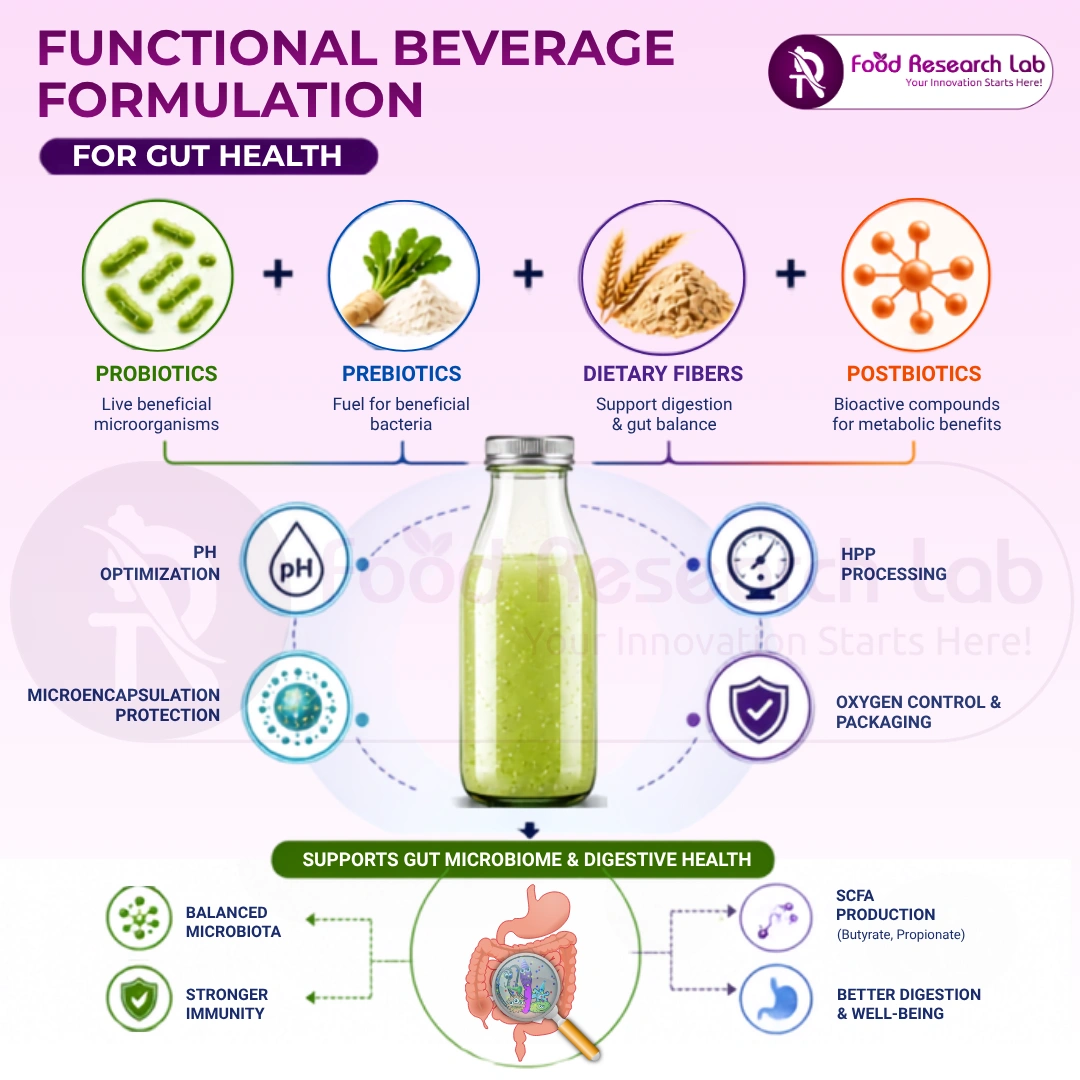
Table 2: Technical Parameters for Successful Gut Health Beverages
Parameter | Recommended Practice | Why It Matters |
Beverage pH | Strain dependent, typically mildly acidic | Supports probiotic stability |
Oxygen control | Nitrogen flushing, oxygen-barrier packaging | Reduces oxidative stress on probiotics |
Processing | HPP or aseptic addition after pasteurization | Helps preserve live cultures |
Shelf-life target | Maintain clinically effective viable counts until end of shelf life | Supports product efficacy |
Packaging | High-barrier PET, multilayer cartons | Protects against oxygen and moisture |
Stability technology | Microencapsulation | Enhances survival during storage and digestion |
Real-World Case Study: Bio-Functional Fermented Soy Beverage for Gut Microbiome Health
A 2025 study published in Food & Function created a functional fermented soy beverage, enhanced with microbial exopolysaccharides (EPS) to improve the health of the gut microbiome. Scientists fermented soy milk using the microorganism Lactiplantibacillus paraplantarum GB3 and added EPS into the beverage created by Leuconostoc mesenteroides. Then the beverage was tested in vitro using a model of the human colon fermentation to assess its effects on the gut microbiome.
Key Findings
- The fermented soy beverage containing EPS was found to be able to increase the microbial diversity of the gut compared with the standard fermented soy beverage.
- The formulation supported the growth of beneficial bacteria, such as Bifidobacterium longum and Faecalibacterium prausnitzii.
- The addition of EPS into the drink led to the increase of SCFAs (butyrate and propionate) formation – SCFAs are known to contribute to digestion and intestinal health.
- The study suggests that microbial exopolysaccharides (EPS) may serve as useful functional ingredients in fermented plant-based beverages.
H3 Industry Insight: This case study highlights how combining probiotic fermentation with EPS can enhance the functionality of plant-based Gut Health Functional Beverages, offering an innovative approach to Functional Beverage Formulation for Gut Health with microbiome-supporting potential.
Conclusion
The future of Functional Beverage Formulation for Gut Health is in the use of scientific formulations of probiotics, prebiotics, dietary fibers, and new formulation technologies that lead to the formulation of effective and stable functional beverages. With evolving research on this, the manufacturers should focus on the synergy of ingredients, microbial viability, and evidence-based formulation to meet growing global demand for digestive wellness.
Food Research Lab offers complete Beverage product development and beverage formulation services for Beverage, helping you bring your gut health innovations to life through custom formulation, pilot development, stability testing and regulatory support.
Frequently Asked Question:
Common Gut Health Beverage Ingredients, including probiotics, prebiotics such as inulin and FOS, dietary fibers, postbiotics, and plant bioactives to support gut microbiome.
Probiotics are live beneficial microorganisms while prebiotics are non-digestible compounds which nourish the former and promote their activity in the gut.
The Symbiotic Beverages contain both prebiotics and probiotics in one drink and help these microbes survive while providing benefits to digestive system.
Manufacturers use techniques such as microencapsulation, optimized pH, oxygen-controlled packaging, and non-thermal processing methods like High-Pressure Processing (HPP) to preserve probiotic viability throughout shelf life.
Dietary Fibers in Functional Beverages support digestive health, stimulate beneficial gut bacteria, improve beverage texture and stability, and enhance overall consumer appeal.
References
- Sharma, K., Hamid, R. S., Dash, K. K., Choudhary, P., Shaikh, A. M., & Kovács, B. (2026). Prebiotics as functional ingredients in beverages: A comprehensive review of health benefits and applications. Food Chemistry Advances, 11, 101294. https://doi.org/10.1016/j.focha.2026.101294
- Patria, D. G., Bernas, C. S., & Lin, J. (2025). Innovations driving the future of beverage industry. In Food Science and Nutrition. IntechOpen. https://doi.org/10.5772/intechopen.1012478
- Monteiro, C. R. A. V., Bogea, E. G., Campos, C. D. L., Pereira-Filho, J. L., Almeida, V. S. S., Vale, A. A. M., Azevedo-Santos, A. P. S., & Monteiro-Neto, V. (2026). Prebiotics and gut health: Mechanisms, clinical evidence, and future directions. Nutrients, 18(3), 372. https://doi.org/10.3390/nu18030372
- Satyalakshmi, S., Srinivasa Rao, Y., & Geetha Manisha, S. (2025). Emphasis on therapeutic beverages with probiotics, prebiotics and synbiotics. Research Journal of Pharmacy and Technology, 18(8), 3969–3973. https://doi.org/10.52711/0974-360X.2025.00570
- Awlqadr, F. H., Qadir, S. A., Altemimi, A. B., et al. (2026). Innovations in herbal functional beverages: From green formulation and bioactivity preservation to sensory optimization and regulatory safety. Food Science & Nutrition, 14(5), e71776. https://doi.org/10.1002/fsn3.71776

Let’s create something Innovative and Delicious together
Food Research Lab strives for excellence in new Food, Beverage and Nutraceutical Product Research and Development by offering cutting edge scientific analysis and expertise.