sector
We source ingredients, test freeze-dried trials, and validate for microbial safety to develop affordable, palatable, and scientifically backed pet foods that are aligned with modern pet nutrition trends.
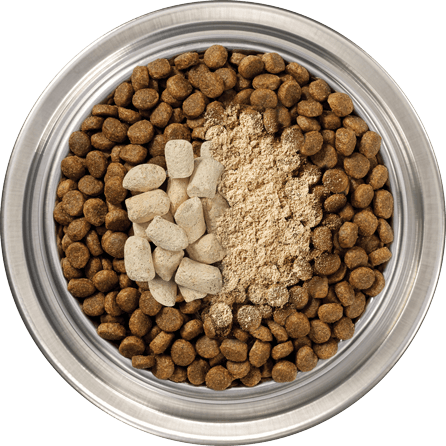
The demand for freeze-dried and air-dried pet diets has emerged as a simple upgrade towards premium nutrition for pets while biodiverse nutrient body systems still create a raw-like product with no refrigeration necessary. In freeze-drying, moisture sublimates under a vacuum-pressure in a frozen state, and nutritional integrity is preserved, whereas for air-drying, moisture is removed through gentle warm air dehydration. Both methods achieve a lightweight shelf-stable diet with much of the natural flavor, nutrients, and texture of raw ingredients. [1] [2]
These diets are aimed at answerable to consumers who are seeking minimally processed, natural, convenient diets with pet health, longevity, and digestive wellness. Freeze-dried diets typically have less than 5% moisture that allows for a long ambient shelf life, while air-dried diets typically have slightly higher moisture which allows for less costly processing. Microbial safety and validation are an important consideration because of the low moisture and raw-like nature of these diets. [3]
In Food Research Lab we use sophisticated R&D including freeze-drying trials, HPP (high pressure processing) microbial validation, and ingredient optimization to create premium freeze-dried and air-dried pet foods that meet appropriate quality, safety, and nutritional standards.
Determining the protein, fat, fiber, and botanicals to ensure that nutrient density and palatability are preserved after drying.
Adjusting freezing rates, vacuum pressures, and drying times for maximum retention of nutrients and texture.
Find best combination of drying heat to airflow criteria providing an appropriate safety margin against nutrient loss whilst ensuring that food will remain free of microbial activity.
Utilizing either High Pressure Processing (HPP) or similar kill steps, completed by trials with freeze-dried bacterial surrogates to demonstrate a reduction in pathogens.
Validation of minerals and vitamins retention or absorption after drying processes of ingredients.
Assessment of moisture migration, oxidation, and general microbial stabilization throughout a period.
To validate combinations of aroma, texture, and flavor are optimized to maximize acceptance of the food by the pet.
| Life Stage | Key Nutritional Focus | Functional Additives / Benefits |
| Puppy/Kitten Diets | High protein, DHA for growth and cognitive development | Functional botanicals for immune support |
| Adult Maintenance | Balanced macronutrients (protein, fat, carbs), antioxidants | Support for general health, activity, and longevity |
| Senior Formulas | Easily digestible proteins, joint-support nutrients | Antioxidants and nutrients tailored for aging pets |
| Therapeutic Diets | Targeted nutrient profiles for specific health issues | Weight management, skin & coat health, digestive support, hypoallergenic ingredients |
| Service | Description |
| Custom Formulation | Tailored nutritional profiles with novel proteins, botanicals, and functional additives. |
| Pilot-Scale Trials | Drying process optimization, texture, and rehydration studies. |
| Microbial Validation | Freeze-dried bacterial surrogate testing and HPP validation to ensure food safety. |
| Nutrient Analysis | Comprehensive testing for vitamins, minerals, fats, proteins, and bioavailability. |
| Sensory Trials | Palatability, aroma, texture, and taste testing with pets for acceptance. |
| Packaging Solutions | Evaluation of moisture/oxygen barriers and shelf-life extension technologies. |
| Regulatory Support | Guidance on FSMA, FSSAI, AAFCO, FEDIAF, and international pet food regulatory frameworks. |
| Scale-Up & Production | Support in transitioning from pilot to full-scale manufacture with cost and process efficiency. |
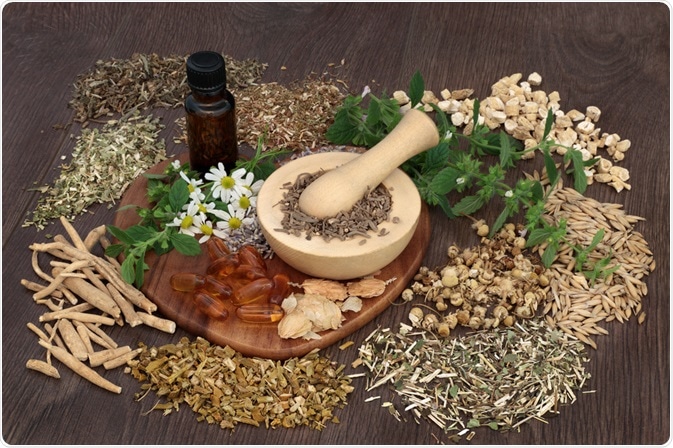
| Research & Innovation | Development of novel herbal and probiotic ingredients, clean-label solutions, and pet wellness. |
Define product objective, health claims, intended species, life stage, and packaging.
Screen raw materials, dehydration methods and safety interventions.
Bench that optimizes dehydration cycle to nutrient profile and optimal palatability.
Microbial safety and shelf stability using testing from validated labs.
Accepting experimental products with pets per taste, texture, smell, and overall palatability.
Non-bias check for compliance with global standards and labeling.
Move from pilot processes to production scale with process validation and cost requirements.
Pet Food
Yes, formulations that utilize the applicable life-stage standards, a highly bioavailable nutrient, and functional additives will be more complete than traditional diets.
Using HPP kill steps, validated drying conditions, generally with host-target microbes evaluated with surrogate microbes, and strict hygiene programs.
Yes, overall, but you will want to monitor hydration status and the manufacturer's feeding and Instructions. If the pets are predisposed to urinary tract infections, you will want to monitor hydration status.
Yes, FRL can custom diet for weight management, skin health, digestion, and allergies using targeted herbs and nutraceuticals.
Freeze-dried and air-dried foods have good shelf stability when put in multi-layer barrier pouches with moisture and oxygen scavengers.
Food Research Lab strives for excellence in new Food, Beverage and Nutraceutical Product Research and Development by offering cutting edge scientific analysis and expertise.