For many years, the two practices of skin care and gut health have lived in almost complete isolation from one another-topical applications have been considered for skin, and diet and digestive supplements have been considered for the gut. New scientific evidence, however, is uncovering a deep connection between the gastrointestinal (GI) tract and skin, which is known as the Gut-Skin Axis (GSA). The Gut-Skin Axis represents a bidirectional communication network between the GI tract and skin with a significant role of the gut microbiome, immune pathways, hormones, and the nervous system.

Exploring the Gut-Skin Axis: Insights into the Microbiome’s Role in Dermatological Health

Regulation Sept 24, 2025

For many years, the two practices of skin care and gut health have lived in almost complete isolation from one another-topical applications have been considered for skin, and diet and digestive supplements have been considered for the gut.

New scientific evidence, however, is uncovering a deep connection between the gastrointestinal (GI) tract and skin, which is known as the Gut-Skin Axis (GSA). The Gut-Skin Axis represents a bidirectional communication network between the GI tract and skin with a significant role of the gut microbiome, immune pathways, hormones, and the nervous system.    

The understanding of the GSA has now opened new avenues to create “beauty-from-within” solutions whereby gut wellness contributes to and improves resilient healthy skin. [1] [2] This comprehensive view is impacting dermatology, cosmetic science and innovation, and nutrition, identifying that real skin health begins well beneath the surface of the gut. These insights are increasingly being used for cosmeceutical product development and advanced dermaceuticals product development.

Understanding the Gut-Skin Axis

The Gut-Skin Axis highlights the gut-skin connection and the different methods and mechanisms involved in their bilateral communication—at the core of many recent microbiome solutions.

  • Microbiota: Numerous microbes in the gut and on the skin, help maintain the bodily equilibrium.
  • Immune cells: Transmit inflammation and tolerance signals.
  • Metabolites: Microbial fermentation gives rise to metabolites like short-chain fatty acids.
  • Hormones: Along with neural mechanisms control the global response of the body involving both organs. [3]
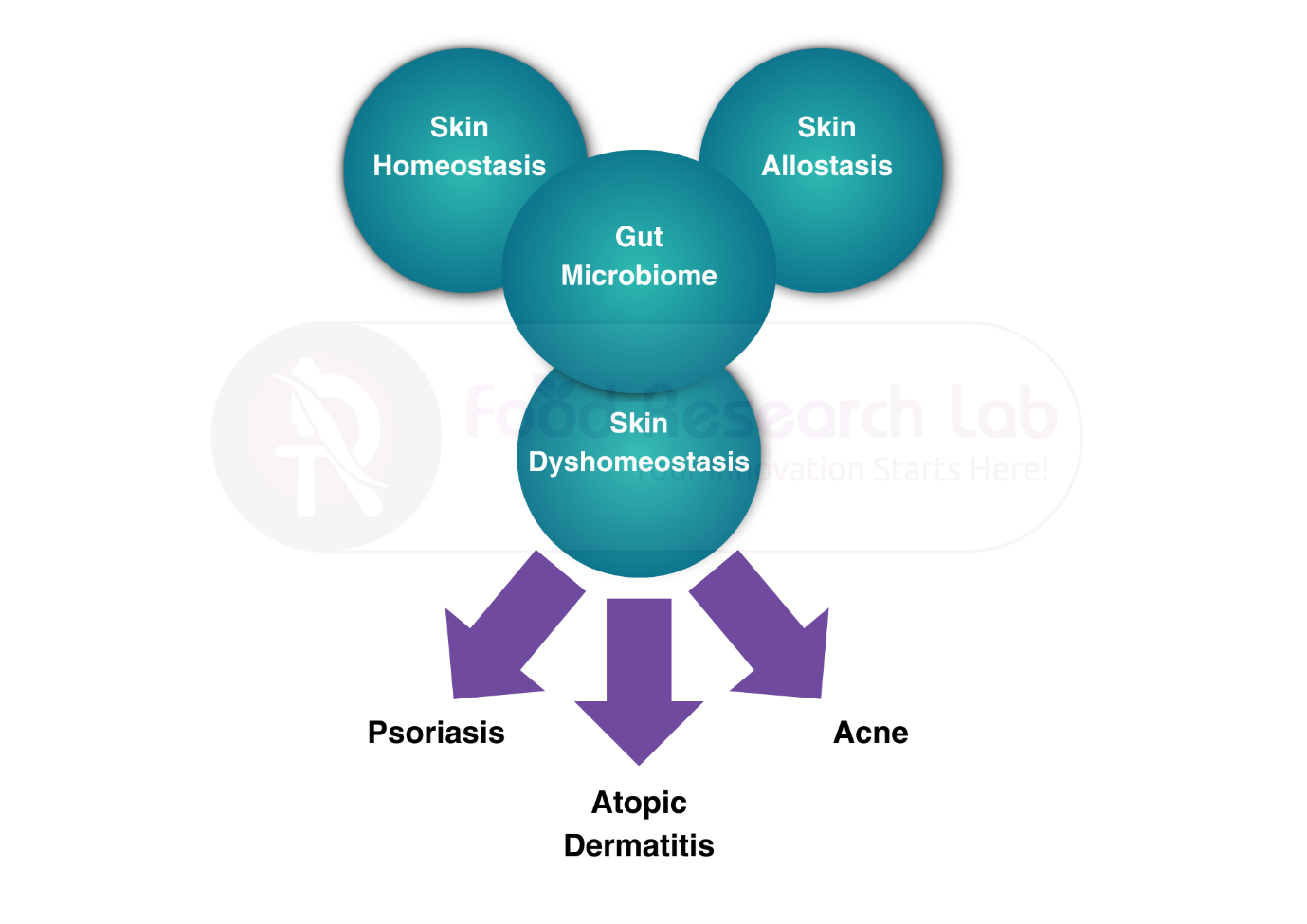
Figure 1: The Gut Microbiome as a Major Regulator of the Gut-Skin Axis

Figure 1: The Gut Microbiome as a Major Regulator of the Gut-Skin Axis

Key Structural and Functional Similarities

Component

Gut Function

Skin Function

Shared Feature

Epithelial barrier

Prevents leaky gut

Shields from pathogens

Defense against toxins

Microbiome (microbes)

Digests food, produces SCFAs

Modulates pH, immune defense

Regulates inflammation

Blood vessels & nerves

Nutrient absorption

Temperature regulation

Signaling pathways

Immune cells

Controls inflammation

Prevents infection

Immune response

Hormonal signals

Manages stress/cortisol

Affects oil production

Homeostasis


The skin and gastrointestinal tract serve as barriers to the external environment that help maintain homeostasis and coordinate rapid responses to stressors. Both structures are highly vascularized and innervated and serve as essential bi-directional channels for communication through immune and hormonal factors a foundation for cosmetic science and innovation.

The Microbiome’s Role in Gut-Skin Communication

The gut microbiome has a central role with respect to the gut-skin axis and is connected to skin health through a variety of mechanisms:

Beneficial Gut Bacteria and Their Effects

  • Short-chain fatty acid (SCFA) production: gut bacteria ferment dietary fibers present in the diet into SCFAs, such as butyrate and propionate.
  • Barrier fortification: Gut SCFAs can fortify tight junctions of the intestine and reduce “leaky gut” and systemic inflammatory response.
  • Immune response: Gut bacteria can restrict immune to chronic inflammation.
  • Collagen stimulation: SCFAs and other gut metabolites can positively affect collagen synthesis improving skin elasticity and firmness.

Consequences of Microbial Imbalance

  • Leaky gut syndrome – due to microbial imbalance or dysbiosis the inflammation promoted by irritation and the intrusion of inflammatory agents into the blood due to barrier loss causes barrier dysregulation.
  • Activating the immune system – excess inflammatory signals can worsen and increase inflammatory conditions such as acne, eczema, psoriasis, and premature aging of the skin. [4]

Table 2: Microbiome Effects on Skin Health

Gut Microbiome Condition

Effects on Intestinal Barrier

Skin Health Outcomes

Balanced Microbiome (Eubiosis)

Strong barrier, low permeability

Smooth, hydrated skin; less inflammation

Imbalanced Microbiome (Dysbiosis)

Increased permeability (“leaky gut”)

Acne, eczema, inflammation, faster aging

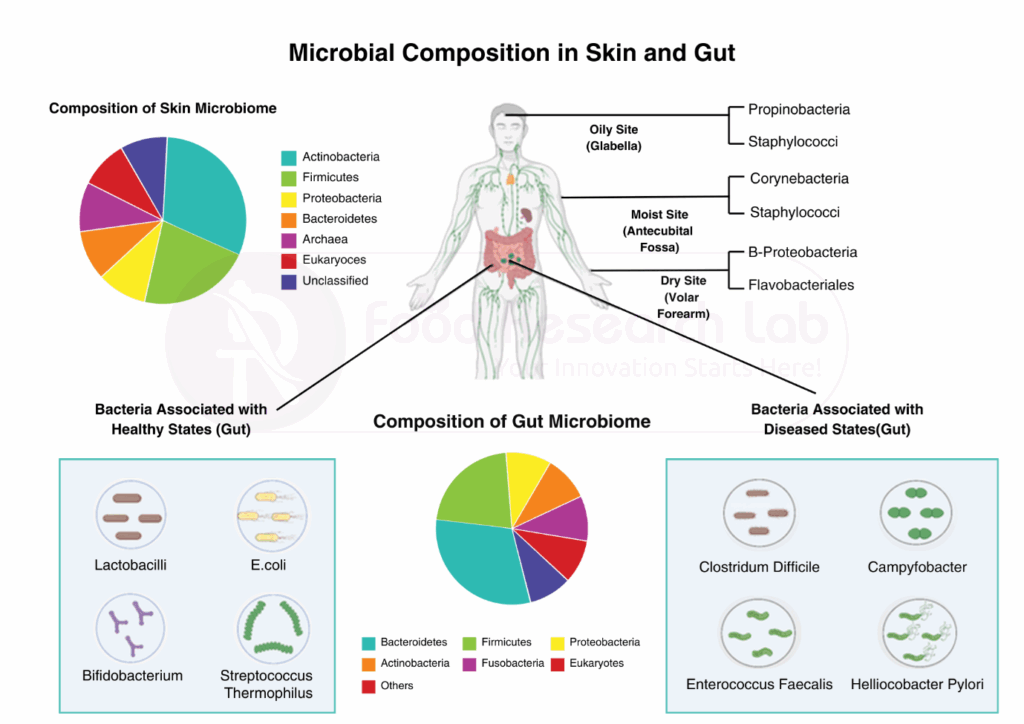
Figure 2: Impact of gut microbiome on skin health
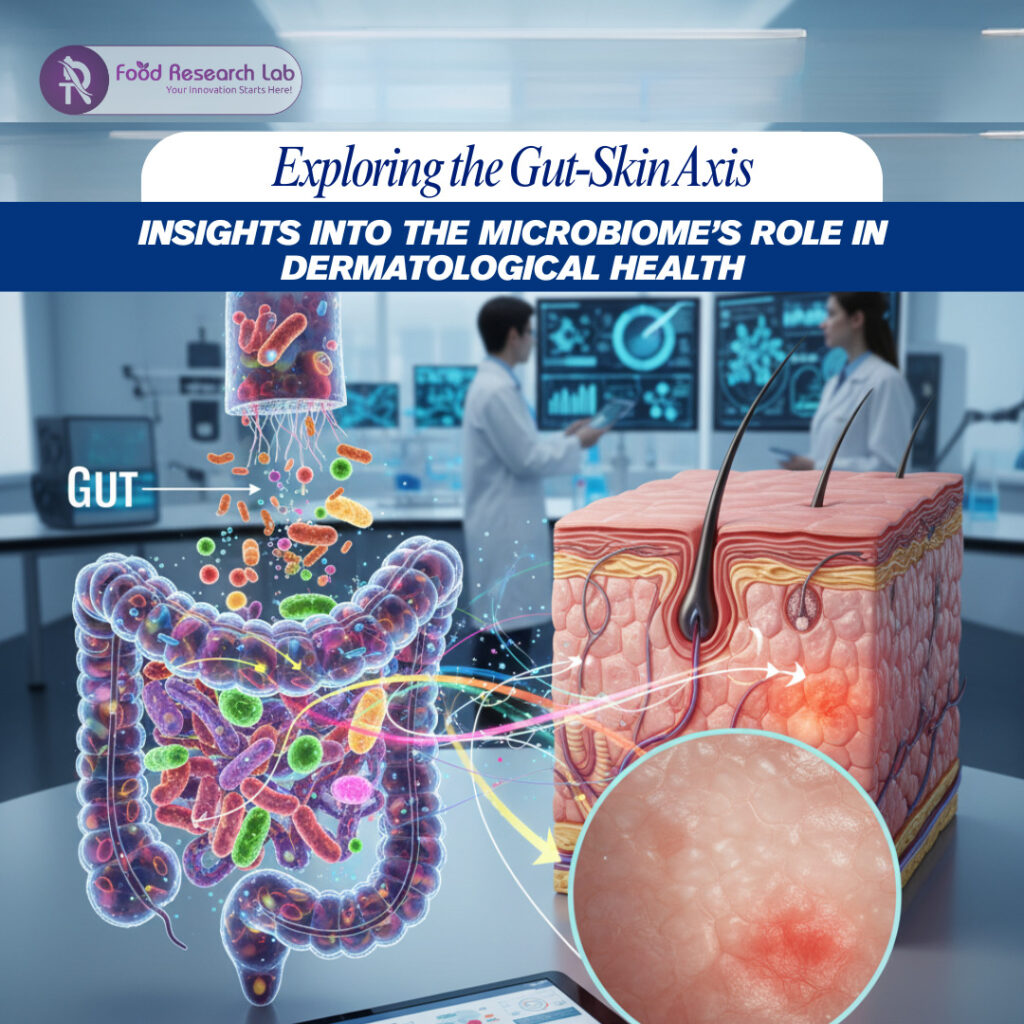
Figure 2: Impact of gut microbiome on skin health

Digestive Health: Link to Skin Nutrient Status

For skin cells to turn over, repair, and function properly as a barrier, you need adequate digestion and absorption of key nutrients. This concept is a major driver for cosmeceutical product development and dermaceuticals product development:

  • Essential micronutrients are zinc, Vitamins A, B-complex, E, essential fatty acids, and antioxidants. Gut dysbiosis and malabsorption, due to stress or enzymes deficiencies can visibly deteriorate the appearance of skin.
  • Digestive enzymes supplements (such as DigeZyme) are made to contain amylase, protease, lipase, cellulose, and lactase to help support digestion and skin health.

Table 3: Key Nutrients for Skin, Their Sources, and Functions

Nutrient

Role in Skin Health

Food Sources

Zinc

Cellular growth, repair, sebum

Nuts, seeds, seafood

Vitamin A

Barrier function, turnover

Carrots, spinach, liver

B Vitamins

Collagen synthesis, defense

Whole grains, legumes, eggs

Vitamin C

Antioxidant, collagen

Citrus, berries, peppers

EFAs

Moisture, anti-inflammation

Fish, flaxseed, walnuts

Impact of Digestive Dysfunction

  • Decreased Nutrient Absorption: Issues such as bloating, indigestion, food sensitivities, or enzyme deficiencies may decrease nutrient absorption, and these conditions often result in your skin appearing dry, lackluster, or with imperfections.
  • Enzyme Supplements can augment the benefits of a healthy diet: Formulas like DigeZyme provide amylase, protease, lipase, cellulase, and lactase and support digestion and/or resolve the underlying issue behind skin problems. [5]

Table1: Permitted Ingredients, Levels, and Example Products in Pet Food (IS 11968:2019)

Ingredient

Permitted Level

Purpose

Example Product

Meat (chicken, beef, fish)

30–60% DM

Protein, fat

Royal Canin Maxi Puppy

Organ Meats (liver, kidney, heart)

2–10%

Micronutrients, vitamins

Hill’s Science Diet Puppy Lamb & Rice

Milk / Dairy

5–15%

Protein, calcium

Royal Canin Babycat Milk

Eggs

2–5%

Protein, amino acids

Hill’s Science Diet Adult Dog

Cereals (rice, corn, wheat, barley)

20–40%

Carbs, fiber

Royal Canin Adult Dog

Legumes / Pulses

5–15%

Protein, fiber

Orijen Original Dry Dog Food

Vegetables & Fruits

2–5%

Vitamins, antioxidants

Hill’s Science Diet Adult Dog

Plant Protein Concentrates

5–15%

Digestible protein

Acana Pacifica Dry Cat Food

Vitamins & Minerals

As per RDA

Growth, bone, metabolism

Royal Canin Mini Adult Dog

Amino Acids (Taurine, Methionine)

Taurine 0.05–0.1%, Methionine 0.3–0.6%

Heart, eye health

Royal Canin Feline Adult

Preservatives

≤0.1%

Prevent spoilage

Hill’s Science Diet Adult Dog

Fiber (beet pulp, chicory, psyllium)

2–5%

Digestive health

Royal Canin Digestive Care Dog

Omega Fatty Acids

0.3–0.5%

Skin, coat, joints

Orijen Original Dry Dog Food

Probiotics / Prebiotics

As justified

Gut, immunity

Hill’s Science Diet Adult Dog

Antioxidants (Vitamin E, plant extracts)

As justified

Reduce oxidative stress

Royal Canin Aging 12+ Dog

Probiotics and Postbiotics: Supporting the Gut and Skin Microbiomes

Probiotics

Clinical research has shown that supplementation with strains like Lactobacillus and Bifidobacterium—important in dermaceuticals product development—improves acne, eczema, skin barrier function, and photoprotection against UV.  

Postbiotics

Produced by bacteria, metabolites (e.g., LactoSporin), peptides, and cell wall fragments, exhibit – antimicrobial and anti-inflammatory effects that support gut and skin microbiomes. [6] [7]

Example Real World Products

  • Hum Nutrition’s Skin Squad – An oral blend of probiotics that aids in the maintenance of healthy skin and a healthy gut.
  • Glowbiotics MD Probiotic Brightening Renewal Lotion: topical blend of probiotics to help enhance skin barrier and radiance.
  • OLLY Probiotic + Prebiotic Gummies: A common supplement for gut health and skin health.
Exploring the Gut-Skin Axis Insights into the Microbiome’s Role in Dermatological Health

Table 4: Clinical Benefits of Probiotic and Postbiotic Products

Intervention

Reported Skin Benefits

Oral Probiotics

Less acne, better barrier, reduced dryness and eczema

Topical Postbiotics

Enhanced radiance, reduced redness, antimicrobial effect

Product Example:

Brand Name: HUM Nutrition

Product Category: Health & Household → Vitamins, Minerals & Supplements → Digestive Supplements → Probiotics

Product Type: Probiotic Supplement

Form / Dosage Form: Capsule
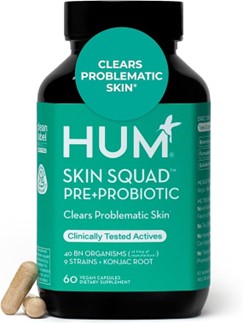
skinsquad

Source: Hum Nutrition’s Skin Squad

The Impact of Stress and Oxidative Balance on Skin via the Gut

  • Stress modifies the motility and barrier of gut, promoting inflammation which could aggravate skin disorder.
  • Long-term oxidative stress fosters skin aging, wrinkle formation, and inflammatory skin diseases, supporting the ongoing integration of cosmetic science and innovationin this field.  [8] 

Table 5: Botanical Antioxidants that Support the Gut-Skin Axis

Ingredient

Source

Benefits

Pycnogenol

French maritime pine bark

Neutralizes free radicals and supports microcirculation

Robuvit

French oak wood extract

Promotes mitochondrial function and cellular energy


Innovation and Market Opportunities

Discovering the Gut-Skin Axis is driving new developments in personalized nutrition and cosmeceuticals.

  • Supplements with combinations of digestive enzymes, probiotics, prebiotics, postbiotics, and antioxidants underline the growth of beauty-from-within formulations.
  • Personalized microbiome profiling is producing targeted products that counteract the individual’s gut-skin imbalance.
  • Strong clinical validation of product efficacy and consumer confidence is occurring from trials and studies. [9]

Table 6: Product Development Checklist

Feature

Innovation Example

Multi-strain probiotic

Probulin, Skin Squad

Postbiotic blend

LactoSporin®, GUT+SKIN

Digestive enzyme complex

DigeZyme® (Healthkart, Garden of Life)

Botanical antioxidants

Pycnogenol®, Robuvit®

Personalization

Microbiome testing kits (Viome, Atlas)

Conclusion: Towards an Integrated Approach to Skin Health

The Gut-Skin Axis enables a transition from a topical view to a systemic, scientific approach encompassing gut health, immune health, and stress. Modern cosmeceutical product development, dermaceuticals product development, and innovative microbiome solutions are meeting consumer demand for natural, effective, science-backed skin health. New frontiers in cosmetic science and innovation are being explored.

Importantly, further advancements will depend on work in the Food Research Lab, supporting robust research to unlock new gut-skin mechanisms and help regulate skin and gut health. The future of skincare embraces beauty-from-within, responsibly empowering individuals to achieve healthy skin through gut health.